It sounds paradoxical: of all organisations, it is Germany’s two major churches – for centuries synonymous with property, land and wealth – that are coming under increasing financial pressure. The reason is obvious: membership numbers are falling rapidly, and with them, revenue from church tax. In 2024, around 666,000 people left the church – a figure that is not merely symbolic, but has tangible consequences.
But what happens when institutions worth billions suddenly face liquidity shortages?
How do organisations whose remit lies between morality, returns and social responsibility react?
And what opportunities does this present for investors, developers and property owners?
You are currently viewing placeholder content from YouTube. To access the actual content, click the button below. Please note that this will result in data being shared with third parties.
Unlock content Accept the required service and unlock contentFrom faith to the question of money
By the end of 2024 , 37.8 million people in Germany still belonged to a church. Despite this impressive figure, the trend is clear: people leaving the church, demographic change and rising costs are forcing the churches to rethink their strategies.
In 2025 , around 12.7 billion euros in church tax will flow to the two major denominations – divided almost equally between the Catholic and Protestant churches. A significant proportion of this is reinvested directly back into society: in nurseries, schools, hospitals, care homes and social projects.
The aim remains the same: providing essential public services in the name of faith. However, in order to fulfil this mission in the long term, the churches must also professionalise their asset management – particularly in the area of property.
The treasure in stone: 200 billion euros in property assets
Together, the two major churches have an estimated property portfolio worth at least 200 billion euros – and probably considerably more.
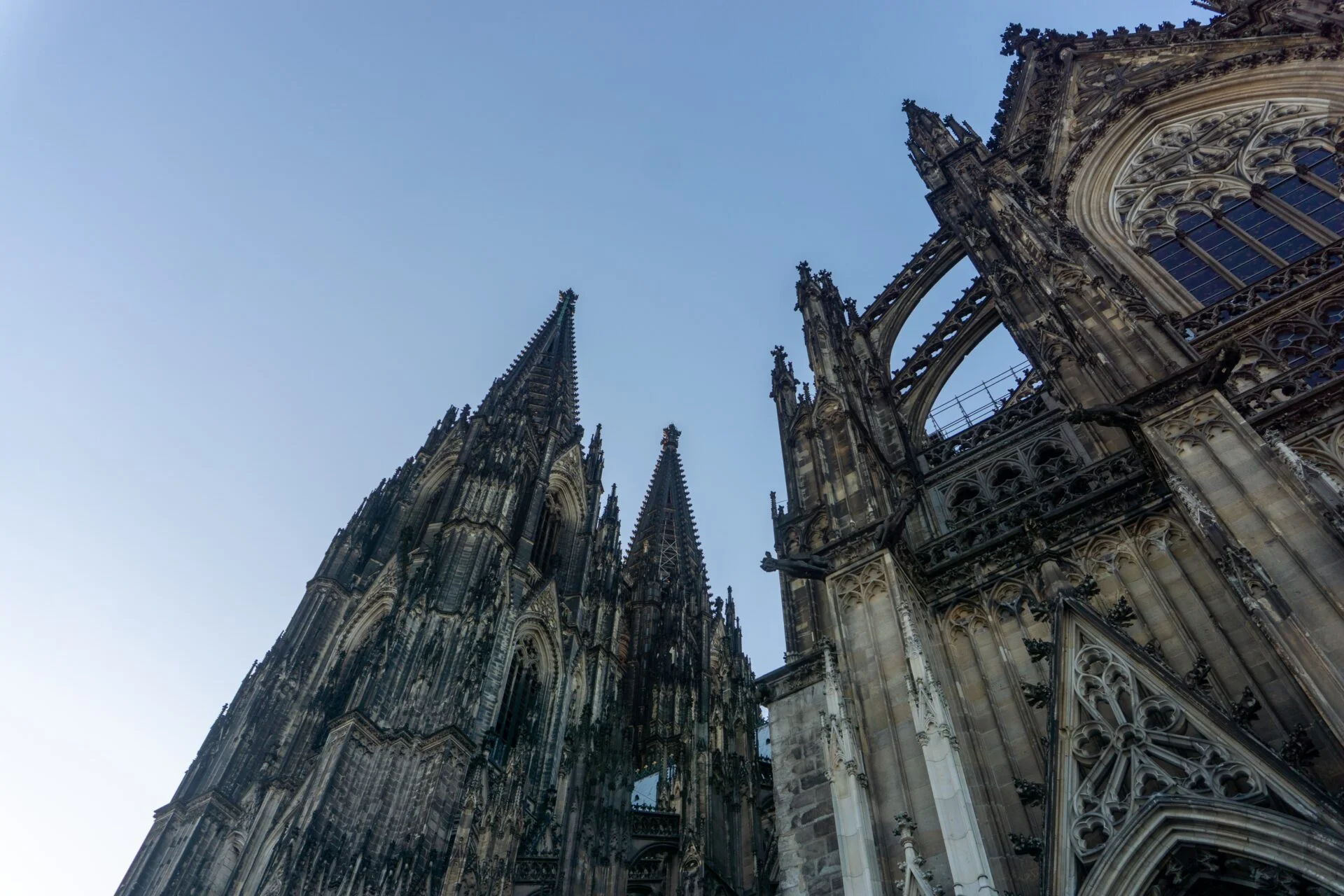
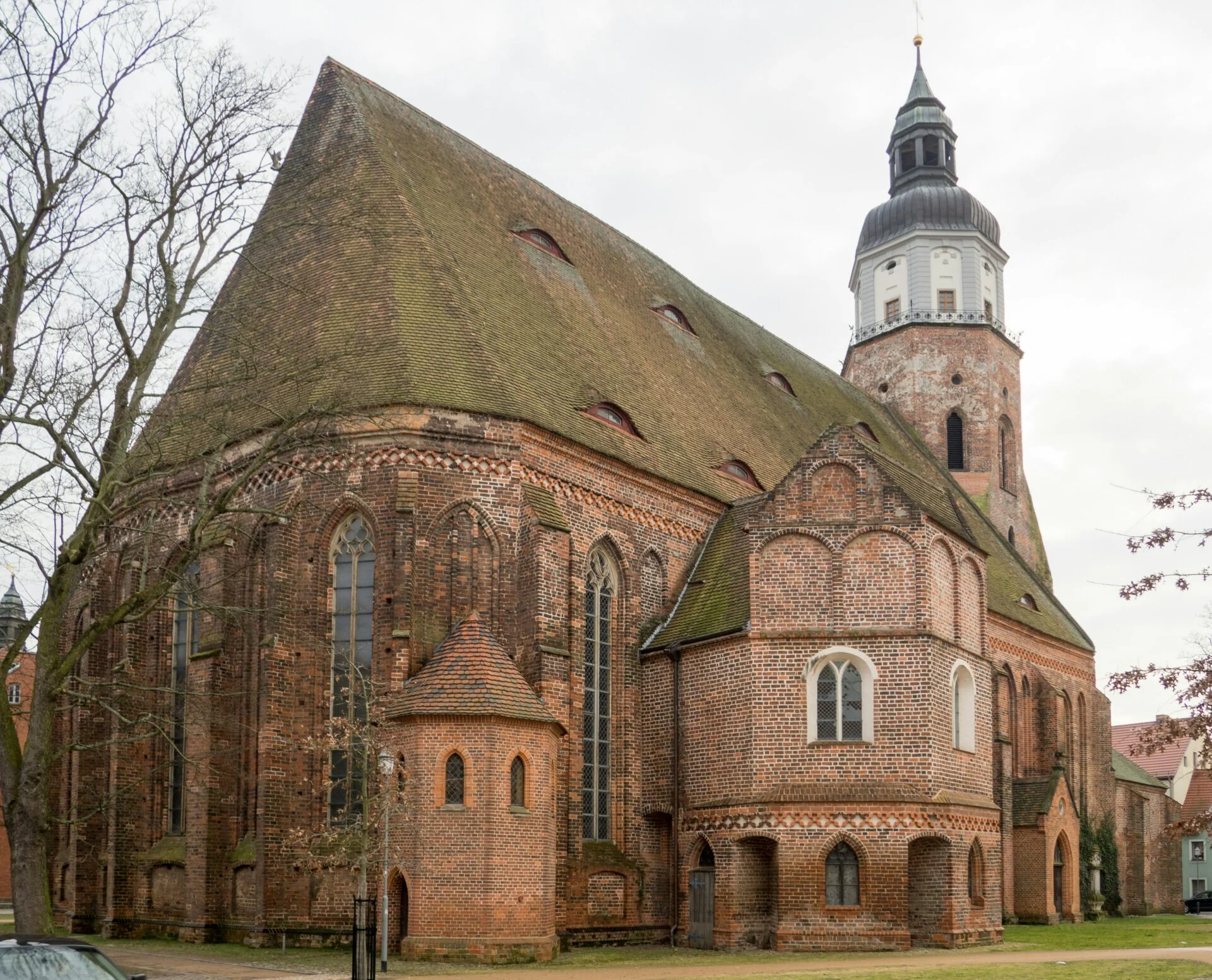
The Catholic Church alone owns around 130,000 buildings, whilst the Protestant Church owns around 75,000.
Only a third are used for liturgical purposes; the rest consists of vicarages, administrative buildings, schools, care homes, residential and commercial properties.
Investments are made and managed through special funds, church asset management bodies and mandates – such as the well-known Aachen Real Estate Fund, which, with assets of over 1.2 billion euros, focuses specifically on optimising returns whilst upholding ethical responsibility.
Today, these institutions are increasingly operating like family offices with a moral mission – with clear governance rules, ESG guidelines and a long-term investment horizon.
Shares, bonds – and the ESG bible
This new way of thinking is also evident in the capital markets.
Whilst the equity allocation in church portfolios used to be around 10 per cent, it now stands at 30 per cent or more in some cases.
Investment decisions follow strict ethical guidelines:
-
No investment in armaments, weapons or countries that practise the death penalty
-
Preference for companies with high ESG standards
-
A long-term perspective, comparable to that of sovereign wealth funds
Yet the real leverage lies not in securities trading, but in ‘concrete gold’.
This is because property portfolios offer enormous potential for increased returns, sustainability and social impact – provided they are actively managed.
The paradigm shift: from expanding land holdings to portfolio renewal
The key strategy today is: active portfolio rationalisation rather than expansion.
By 2060, up to 40,000 buildings are to be sold, repurposed or restructured.
This also involves a fundamental reassessment of ownership structures.
Whilst many organisations wish to retain the value of their land, they also want to remain financially flexible.
The solution is: leasehold.
Long-term leases, index-linked ground rents and ESG-compliant usage concepts safeguard the continued existence of church assets – whilst at the same time offering investors and developers a stable foundation for projects that are both meaningful and profitable.
At the same time, sale-and-leaseback models are gaining in importance.
This allows properties to be sold to generate liquidity, whilst remaining in church operation through long-term lease agreements.
Joint ventures with a focus on values
Hardly any church organisation today wishes to tackle complex projects on its own.
That is why joint ventures with private developers, operators and funds have long been standard practice.
This is where two worlds meet:
the ethically grounded, long-term perspective of church-owned organisations and the operational efficiency of professional market players.
For partners in the property sector, the following applies:
respect, realism and a clear ESG narrative are crucial.
Those who credibly combine social, environmental and economic goals have the best prospects for long-term partnerships.
How you can get started as an investor or developer
Church property portfolios are not a closed world – they are increasingly opening up to external expertise.
The key is to identify the right entry points.
1. Sourcing:
Look specifically for underutilised properties in A and B cities – such as vicarages, administrative buildings, schools or care homes.
Keep an eye on tender portals, church gazettes and foundation websites.
2. Outreach:
Offer solutions that take into account the decision-making criteria of church organisations:
Leasehold rights instead of outright purchase, ESG refurbishment roadmaps, social components, and concepts that respect listed buildings.
3. Project development:
Combine economic viability with the common good:
The parish hall becomes a medical centre; the monastery wing is converted into accessible assisted living accommodation.
The chapel remains as a cultural anchor.
4. ESG as the key:
Deliver concrete measures rather than abstract sustainability:
solar PV systems, energy storage solutions, energy efficiency, KfW funding – and clearly defined heritage conservation plans.
Challenges remain
Of course, not all that glitters is gold. Three risks must be clearly addressed:
-
Heritage protection and cost-effectiveness:
Many buildings are defining features of a community’s identity – and costly to renovate. -
Governance and transparency:
Church structures are complex, and decision-making processes are lengthy but reliable. Those who understand them save time and avoid frustration. -
Market cycles:
Church organisations are also subject to fluctuations in interest rates and construction costs – conservative costing remains essential.
Conclusion: Between the cross and cash flow
Church institutions are among the largest and most stable property owners in Europe – and they are in the midst of change.
What was regarded as sacrosanct property for centuries is now being strategically restructured.
This opens up a field for investors, developers and operators that was previously difficult to access:
long-term partnerships with moral legitimacy, a clear ESG focus and stable cash flows.
Those who approach this sector with respect, expertise and a sustainable vision will be able to capitalise on genuine opportunities here in the coming years – in a market where faith and returns suddenly speak the same language.