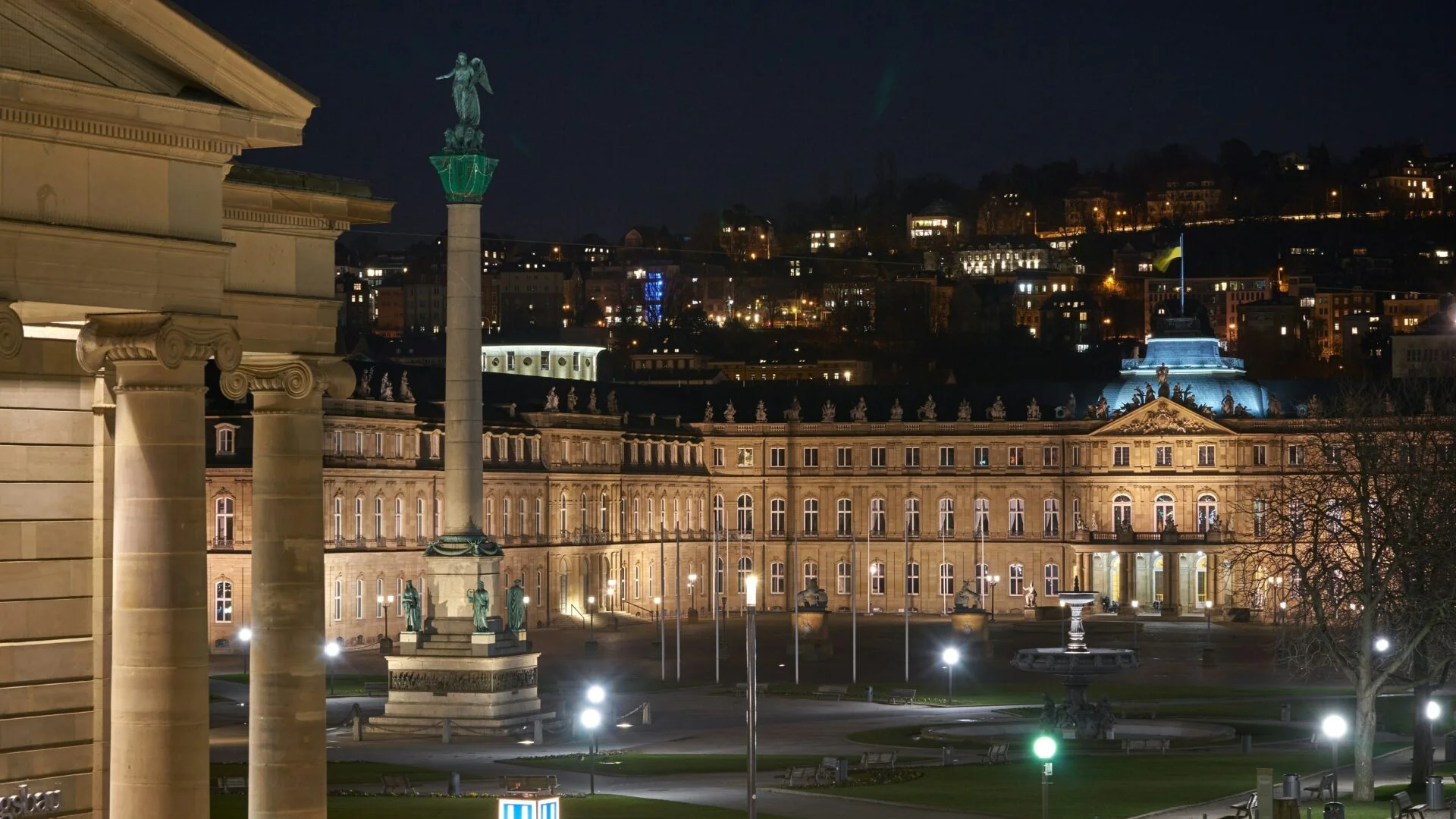
The headlines surrounding Stuttgart are currently causing a stir: a deficit running into the billions, dwindling reserves and the threat of the city becoming insolvent. At the same time, property prices continue to soar. How does this all fit together? Is Stuttgart on the brink of economic collapse, or are we currently witnessing a far-reaching transformation that brings new opportunities?
Economic crisis in Stuttgart: causes and background
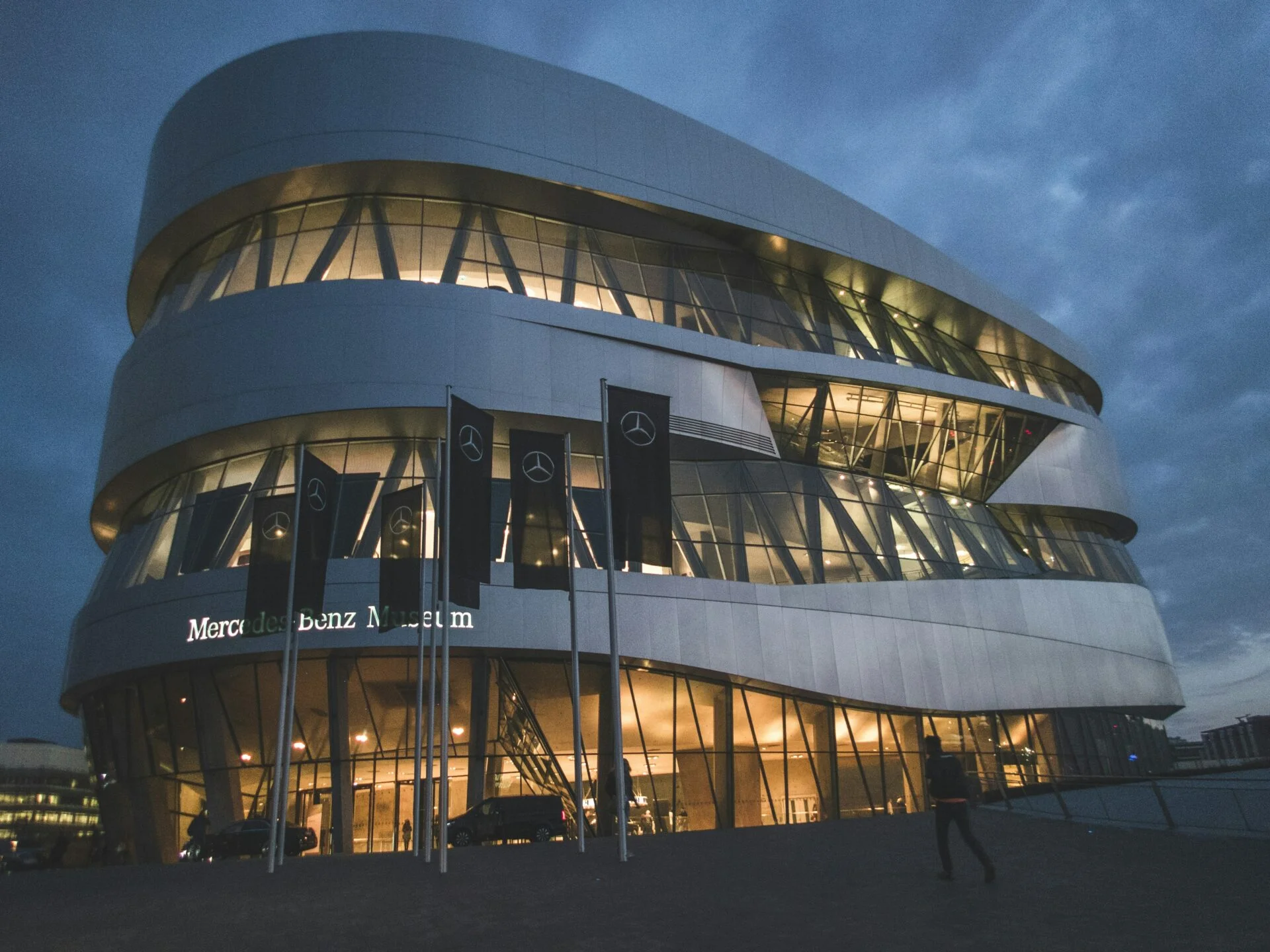
For decades, Stuttgart was regarded as a prime example of economic stability. The capital of Baden-Württemberg benefited above all from its strong automotive industry. Companies such as Mercedes-Benz and Porsche ensured high trade tax revenues and sound budgetary management.
But this model of success is beginning to falter. The reasons for this include:
-
Declining demand in key markets such as China
-
Escalating trade conflicts and geopolitical uncertainties
-
The transition to electric mobility
-
Intense global competition
The consequences are dramatic: profits are plummeting, and with them, trade tax revenue – the city’s most important source of income – is falling. Whilst Stuttgart still took in around 1.6 billion euros in 2023, only about half that amount is expected for 2025.
At the same time, expenditure is rising, particularly on social services such as housing support, childcare and integration. This combination is leading to a massive budget deficit of around 800 million euros.
Property prices in Stuttgart continue to rise. Why?

Despite these economic problems, the property market in Stuttgart is proving surprisingly resilient. Prices for houses and flats are continuing to rise, or are at least remaining stable. At first glance, this seems paradoxical, but there is a structural explanation.
1. Housing shortage as the key driver
The most important factor is, and remains, the shortage of supply. Far too few new flats are being built in Stuttgart. A decline in planning permissions and high construction costs are further exacerbating the situation.
-
Completions are falling sharply
-
Demand remains consistently high
-
Vacancy rates are close to zero
The result: rising prices despite economic uncertainty.
2. An attractive location despite the crisis
Even though the automotive sector is struggling, Stuttgart remains an attractive business location. Alongside the automotive industry, other sectors also play an important role:
-
IT and software development
-
Mechanical engineering
-
Medical technology
This diversification ensures that skilled workers continue to move to the region and require housing.
3. Demographic trends and population growth
The population continues to grow, particularly due to skilled migration. This puts further pressure on the already strained housing market.
The major challenge: less money, greater demand
A particularly critical issue is the combination of:
-
rising demand for housing
-
the city’s dwindling financial resources
Stuttgart simply has less scope to invest in housing construction itself. At the same time, the need for social housing is rising dramatically. Thousands of households are already waiting for subsidised housing.
Impact on the property market
This gives rise to several key trends for investors, property owners and buyers:
1. Property values remain stable
The fundamental shortage ensures that property in Stuttgart continues to be regarded as a safe investment. Existing properties in particular are benefiting from rising rents and low competition.
2. Rising service charges and levies
The city will seek to increase its revenue. This means:
-
higher property taxes
-
rising charges (rubbish collection, sewage, etc.)
In the long term, these costs will also place a burden on tenants and property owners.
3. Focus on social housing
New projects are increasingly being linked to social criteria. Rather than the highest bids, the focus is on schemes that create affordable housing.
One example is the major Rosenstein urban development project, which is set to create thousands of new flats, albeit under strict guidelines.
Is Stuttgart at the end or the beginning of something new?
The clear answer: Stuttgart is not facing ruin, but rather a period of structural change.
Dependence on the automotive industry is being reduced, new sectors are gaining in importance, and the city must realign its financial strategy.
Unlike classic structural crises, such as those in the Ruhr region in the 1970s, Stuttgart is now much more diversified. This increases the chances of successfully navigating this transformation.
Conclusion: both a crisis and an opportunity
The current situation in Stuttgart is complex:
-
Yes, the financial situation is serious
-
Yes, the economy is under pressure
-
However: the property market remains stable and continues to offer opportunities
For investors, this means that those who understand the underlying structural dynamics can still profit, even in uncertain times.