Today’s digital age has made data centres an indispensable part of global infrastructure. The rapid growth of technologies such as cloud computing, artificial intelligence (AI) and the Internet of Things (IoT) has significantly increased the demand for data processing and storage. This development has not only fuelled demand for data centres but has also created a significant investment opportunity for property investors.
Data centres as a lucrative investment option
Data centres are among the most dynamic and fastest-growing sectors within the property industry. One example of the boom in this market is Microsoft’s announcement in February that it would build three large hyperscale data centres in the towns of Bedburg, Bergheim and Elsdorf, with a total investment of up to three billion euros.
In Germany, numerous cities are benefiting from this trend. Frankfurt am Main, with over 60 data centres, is home to the world’s largest internet exchange. Berlin, Munich, Düsseldorf, Hamburg and, increasingly, smaller cities such as Offenbach and Magdeburg are also seeing a rise in the number of data centres being established. Even rural regions such as Falkenstein in the Vogtland are seeing an increase in data centres.
Rising demand and excellent growth prospects
For property investors, data centres offer attractive opportunities as a specialised asset class within the core sector. These specialised properties can comprise server space of up to 100,000 m² and offer several advantages:
- High value creation per square metre: In industrial estates – the preferred locations for data centres – high demand leads to a significant increase in land values.
- Long-term leases and stable income: Data centres generally involve little administrative effort and provide stable sources of income through long-term leases.
- Supplier clusters in the surrounding area: Data centres often attract additional businesses, which further enhances the appeal of the locations.
Risks and challenges
Despite the promising opportunities, there are also challenges and risks that must be taken into account:
- Concentration risk and limited potential uses: Data centres are highly specialised properties that are difficult to repurpose for other uses. However, this risk is mitigated by ongoing digitalisation and the constant demand for server capacity.
- High energy consumption: Data centres require immense amounts of energy, particularly for operating the servers and cooling them. The approximately 3,000 large data centres in Germany currently consume around 18 terawatt-hours of electricity per year, which corresponds to 3 per cent of the country’s total electricity consumption. This figure is expected to double to 35 terawatt-hours by 2030.
Sustainability and climate-friendliness
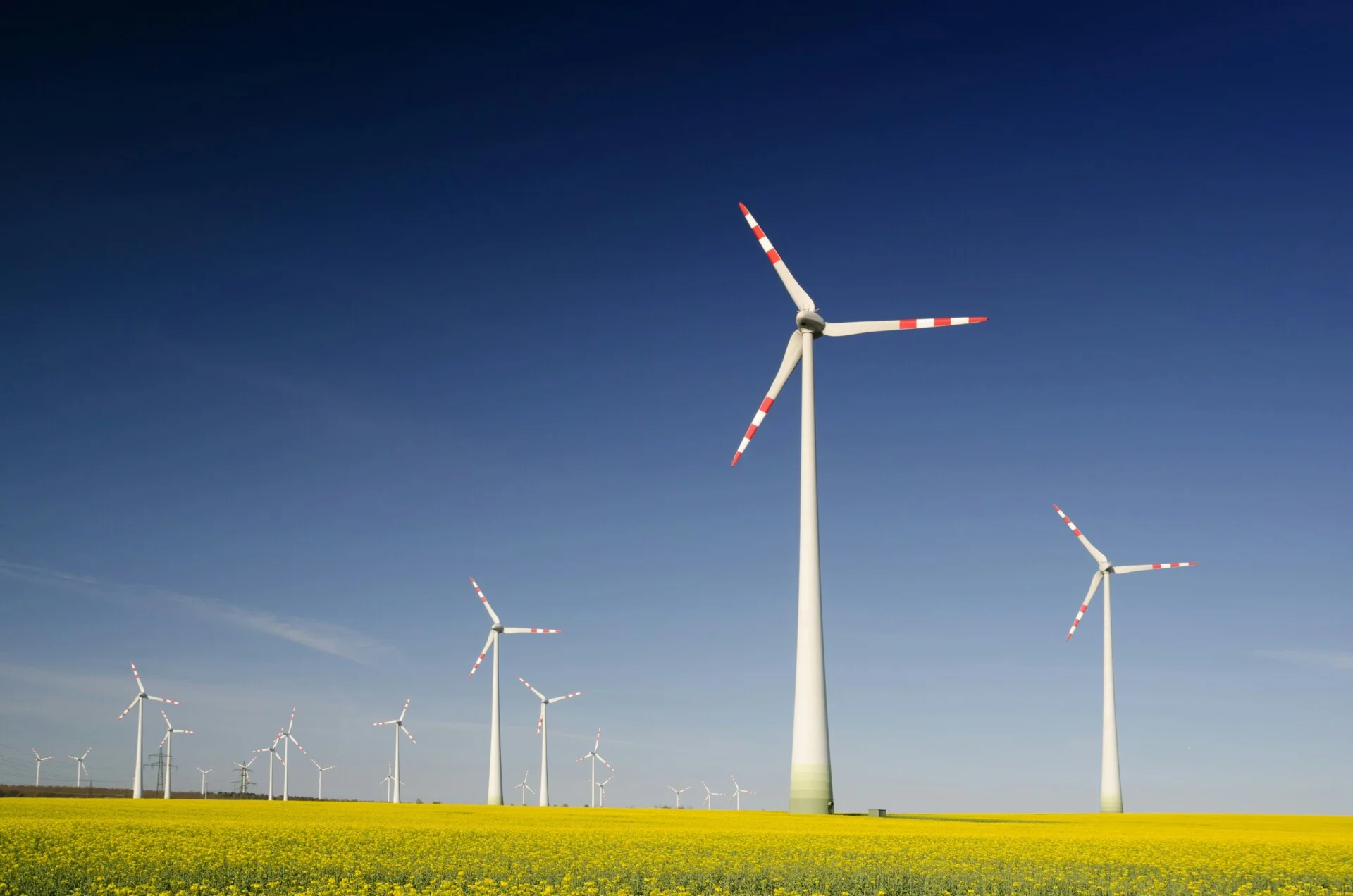
Increasing climate protection regulations pose an additional challenge for the sector. The German government aims for data centres to operate in a climate-neutral manner by 2027. Among other things, this requires the use of 100 per cent green electricity and the efficient reuse of the waste heat generated during data processing. Currently, only 5 per cent of data centres utilise more than half of their waste heat, which is attributable to excessively low temperature levels, high investment costs and a lack of economic viability.
Financing options for data centres
Financing data centres poses a particular challenge due to their specialised nature and capital-intensive nature. Whilst traditional bank loans play an important role, bespoke financing models are increasingly being developed. Investors can draw on various sources of funding, including joint ventures with institutional investors, REITs (Real Estate Investment Trusts) and infrastructure funds specialising in such assets. Alternative forms of financing, such as private equity and crowdfunding, are also increasingly being used to secure the necessary funds for the construction and operation of new data centres. It is important to plan the financing soundly from the outset and to take ESG (Environmental, Social, Governance) criteria into account in order to achieve stable and sustainable returns in the long term.
The right financing strategy can make the difference between a successful and a risky investment, which is why it is advisable to involve experts and financial advisers at an early stage to develop the optimal structure for the project.
A forward-looking investment in digital infrastructure
Data centres are a future-proof asset class for investors, one that is of great importance both economically and socially. In view of global digitalisation and the growing demand for data processing capacity, data centres will continue to play a central role. Investors who invest in this specialised asset class at an early stage can benefit from long-term and stable returns, provided they take sustainability aspects into account and adapt to the increasing demands for energy efficiency.
With the right planning and the use of renewable energy, data centres can be operated not only profitably but also in an environmentally responsible manner. This makes them one of the most promising and future-proof investment opportunities in the property sector.
Can an investor build and operate a data centre?
Yes, it is possible for an external operator to build a data centre and lease the capacity to companies or service providers. The ‘colocation’ or ‘data centre-as-a-service’ business model is widespread and offers operators attractive revenue opportunities.
Choosing a location: what should you look out for?
Although you can, in theory, build in many industrial estates, there are several key location factors that influence the success of your data centre:
- Data connectivity: A reliable and high-performance broadband connection is essential. Data centres are often located near major internet hubs such as Frankfurt (DE-CIX) to ensure the best possible connections.
- Energy supply: The high electricity consumption of data centres, particularly for servers and cooling, requires a stable and cost-effective energy source. Proximity to green energy suppliers is ideal, as sustainability is becoming increasingly important.
- Cooling: Cooling capacity is crucial. In colder regions or near water sources, operating costs can be reduced through natural cooling.
- Building regulations: The height and depth of the building, environmental regulations and the approval of emergency generators (often with oil tanks) are further important considerations that depend on local building regulations.
Revenue and returns from data centres

Data centres generally offer stable, long-term sources of revenue. Lease agreements with tenants such as cloud service providers or large companies often run for several years and can be further expanded due to the high demand for computing power.
Key points regarding revenue and returns:
- High rents per square metre: Data centres generate significantly higher rental income per square metre compared to conventional commercial properties due to their specialised infrastructure.
- Long-term leases: Leases for colocation services are usually long-term, often lasting 5 to 10 years or longer, which ensures a stable income base.
- Double-digit returns: In practice, returns on data centres are around 7–10 per cent and can even reach double figures in some cases. However, this depends heavily on demand, operating costs and the efficiency of the location.
With careful planning and the right location, you can succeed as an external operator. Location factors – particularly energy and data connectivity – are crucial to your success. Returns can be very attractive due to the high demand for computing power, but you should also be prepared for high operating costs.
If you are considering building a data centre, it is advisable to consult experts in the fields of IT, energy and property to ensure your project is future-proof and commercially successful. If you need support, you can contact the specialists at OFFMARKET24.