The German camping market is increasingly emerging as an underestimated but dynamically growing property and operator sector. What was long regarded as a traditional leisure sector is now viewed as a serious asset class by international investors, private equity firms and professional operator chains.
You are currently viewing placeholder content from YouTube. To access the actual content, click on the button below. Please note that this will result in data being shared with third parties.
Unlock content Accept the required service and unlock contentWith over 43 million overnight stays annually and turnover in the billions, camping has long been one of the most stable leisure markets in Germany. What is particularly noteworthy is not only the growth itself, but also the structure of the market: fragmented, family-run and hardly industrialised.
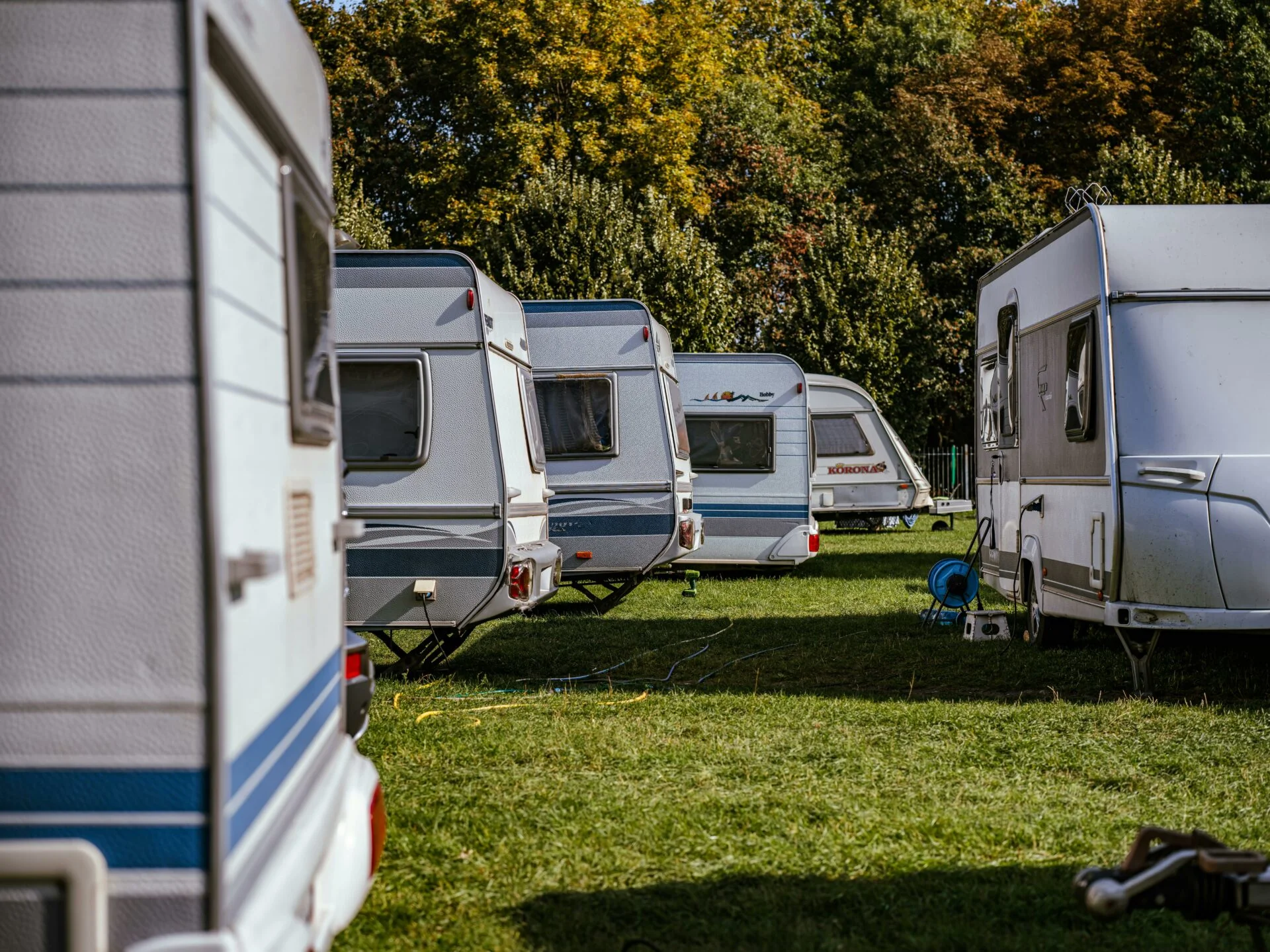
1. A market of enormous size and growing demandDemand for camping holidays has risen steadily in recent years. A key driver is the sharp increase in motorhomes and caravans. Since 2019, the number of registered recreational vehicles has risen by more than 30 per cent.
This development ensures a sustained, recurring demand for pitches, independent of traditional hotel cycles. Camping is therefore not a one-off trend, but a structurally growing market with stable underlying occupancy rates.
Price trends are particularly relevant here. Despite rising accommodation costs, visitor numbers are reaching new record levels. This points to a high level of price tolerance within the target group and, consequently, to rising revenue potential per pitch.
2. Fragmentation as a starting point for consolidationThe German market comprises over 3,200 campsites. The majority of these are family-owned or run by local authorities. Professional operating structures have so far been the exception.
It is precisely this structure that is of particular interest from an investor’s perspective. Markets with a high degree of fragmentation have historically been regarded as a typical starting point for waves of consolidation.
In such markets, larger operator groups frequently emerge, which take over smaller units, standardise them and manage them more efficiently. Experience from other European countries shows that this process often proceeds more quickly than expected once the first major players become active.
3. International investors and new operator structuresInternational companies are increasingly entering the market. French and Scandinavian operator chains, in particular, have identified the German market as a target for expansion.
One example of this is the expansion of major holiday park operators from France, which have already carried out their first takeovers in Germany. These companies bring with them experience from already consolidated markets, where small family-run sites have long since been integrated into larger structures.
At the same time, new, rapidly growing operator groups are emerging in German-speaking countries, which are taking over and consolidating several sites within just a few years. Listed companies from Switzerland have also begun to acquire and systematically develop campsites in the DACH region.
Added to this is a growing interest from private equity investors seeking stable cash flow models and low correlation with traditional property cycles.
4. Why campsites are attractive to investorsSeveral structural characteristics make campsites an interesting investment.
A key factor is the high barriers to entry. Suitable sites, regulatory approvals and infrastructure requirements ensure that new providers cannot simply enter the market at will.
Added to this are comparatively low operating costs. Unlike with traditional residential or commercial property, there is no need for complex technical building systems such as heating systems or lifts. The operational focus is primarily on sanitary facilities, electricity supply and site management.
Another key lever is operational professionalisation. Many existing sites still operate without digital booking systems or dynamic pricing. Introducing such systems can significantly increase occupancy rates and revenue per pitch without the need for structural investment.
5. New revenue potential through premiumisation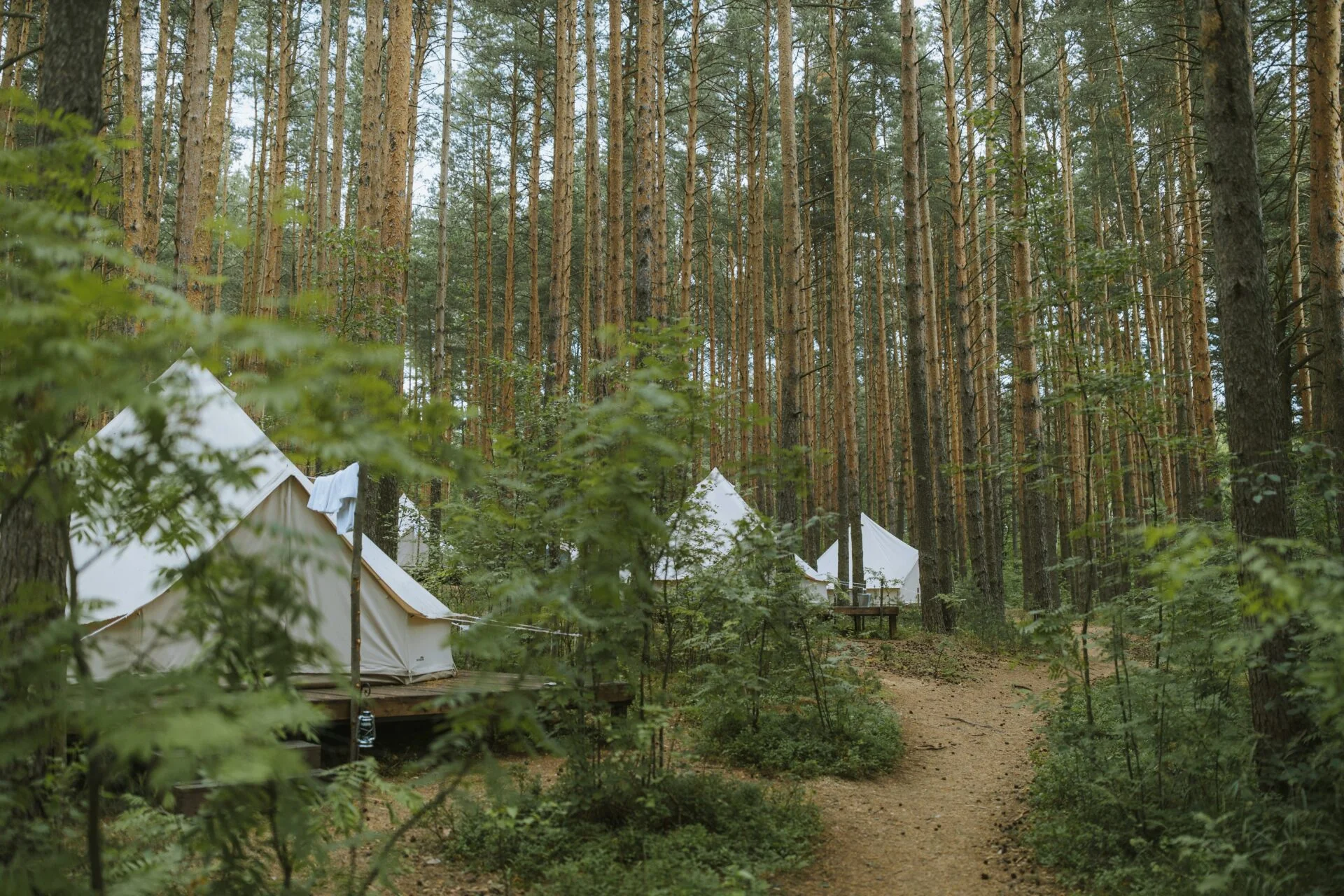
Alongside traditional pitch usage, a premium segment is increasingly emerging within the camping market. Under the term ‘glamping’, high-quality accommodation is emerging that allows for significantly higher price categories.
Whilst traditional pitches often cost between 25 and 40 euros per night, high-end glamping options can sometimes reach 150 to 200 euros per night.
This development significantly broadens the business model and leads to greater differentiation within the market. It enables operators to tap into additional target groups who wish to combine comfort with an experience of nature.
6. Risks of a growing marketDespite this positive trend, the market is not without its risks.
A key factor is seasonal dependence. In many regions, economically significant occupancy is concentrated over four to six months of the year. This structure requires particularly efficient utilisation of the peak season.
Added to this is a diverse and, in some cases, complex regulatory framework at local authority level. Permits, extensions or modernisation projects are heavily dependent on local political decisions.
The emotional aspect also plays an important role. Campsites are often deeply embedded in regional structures, meaning that changes or modernisations do not always meet with approval.
7. Professionalisation as a key value driverThe biggest value driver in the market currently lies in the professionalisation of existing structures.
Many smaller operators still use traditional methods, without data-driven occupancy management or modern marketing systems. It is precisely here that there is significant potential for efficiency gains.
Through optimised pricing strategies, improved online visibility and standardised operational processes, revenue per unit area can be significantly increased. At the same time, valuation multiples rise as soon as a site is managed professionally.
This effect is already well known from other property sectors: standardisation leads to higher valuations and makes portfolios attractive to institutional investors.
8. A market in the early stages of consolidationThe German camping market is in an early phase of consolidation. International experience shows that, in comparable markets, a few large operators ultimately control a significant market share.
The current phase is particularly relevant in this regard. Whilst major institutional investors are still observing the market, the first specialist operators are already actively positioning themselves.
It is often during this transitional phase that the greatest potential for value appreciation arises, as early entrants can acquire sites at valuations that are still moderate.
Conclusion: An underestimated property class undergoing transformationCamping sites are increasingly evolving from a fragmented leisure segment into a professional, cash-flow-rich operator segment with real estate characteristics.
The combination of growing demand, limited supply, low levels of professionalisation and an inflow of international capital is creating an environment that favours significant structural changes.
At the same time, the market is not yet fully institutionalised. It is precisely this fact that makes it particularly interesting at present.
Whether campsites will establish themselves as a standalone property asset class in the long term depends largely on how consolidation progresses. However, the direction is already clearly evident: the market is becoming more professional, scaling up and increasingly attracting capital.