
The debate surrounding the new Heating Act continues to cause confusion. Whilst politicians are giving the all-clear and talking about the end of the so-called ‘heating crisis’, experts and the media are warning of rising costs and hidden obligations.
But what is the truth? Has the Heating Act in Germany actually been watered down, or has the obligation simply been repackaged? In this article, we look at the facts and analyse what this means in concrete terms for property owners, investors and buyers.
What was actually decided regarding the new Heating Act?
In February 2026, the federal government agreed on new key points for the Building Energy Act. The most significant change:
The well-known 65 per cent rule for renewable energy has been abolished.
In practical terms, this means:
-
There is no longer a mandatory requirement that new heating systems must be 65 per cent renewable
-
No direct bans on specific heating systems such as gas or oil
-
Greater freedom of choice for property owners
At first glance, this sounds like a significant relief. But on closer inspection, it becomes clear that it is not quite that simple.
The ‘bio-staircase’: the new requirement in the background

Instead of direct regulations on heating systems, the government will in future rely on indirect control via the fuel.
The key term: ‘Biotreppe’
-
From 2029, new gas and oil heating systems must use a proportion of ‘green’ gases
-
This proportion will start at around 10 per cent
-
It will then rise gradually until 2040
This means:
You will still be allowed to install a gas heating system, but heating with it will become more expensive in the long term.
The key issue: is there enough green gas?
This is one of the biggest uncertainties surrounding the new law.
The current situation is as follows:
-
Gas consumption by German households: approx. 245 TWh per year
-
Biomethane production: around 10 TWh (≈ 4 %)
Even optimistic forecasts suggest that a maximum of 50–100 TWh could be achieved by 2030, and that would only be under ideal conditions.
The problem is that
Industry and transport also require these resources.
The consequence is predictable:
Rising demand meets limited supply = rising prices
Hydrogen as a solution? More of a long-term prospect
Hydrogen is often cited as an alternative. But there are limitations here too:
-
Existing gas networks can only accommodate a limited amount of hydrogen
-
Major changes will require massive investment
-
The roll-out will take decades
For property owners, this means:
Hydrogen is not currently a short-term solution for the mass market.
The hidden costs: gas will become more expensive in the long term
One aspect that is often underestimated in the public debate is the future total cost of gas heating systems.
Several factors are driving up prices:
1. Rising network charges
The fewer households connected to the gas network, the more expensive the infrastructure becomes per user.
Studies show that:
Network costs could rise sharply in the long term
2. CO₂ price
The CO₂ price will already be around 65 euros per tonne by 2026, and is clearly on an upward trend.
This makes fossil fuels even more expensive.
3. Fall in demand
More and more households are opting for heat pumps. This leads to a classic effect:
Fewer users = higher costs per remaining user
EU regulation: the next wave is already on its way
One crucial point is often overlooked: EU regulations.
From 2030, new buildings in the EU are to be powered exclusively by:
-
renewable energy
-
or low-carbon systems
.
This means:
The ‘freedom of choice’ currently enjoyed may only be temporary.
What does this mean for property owners and investors?
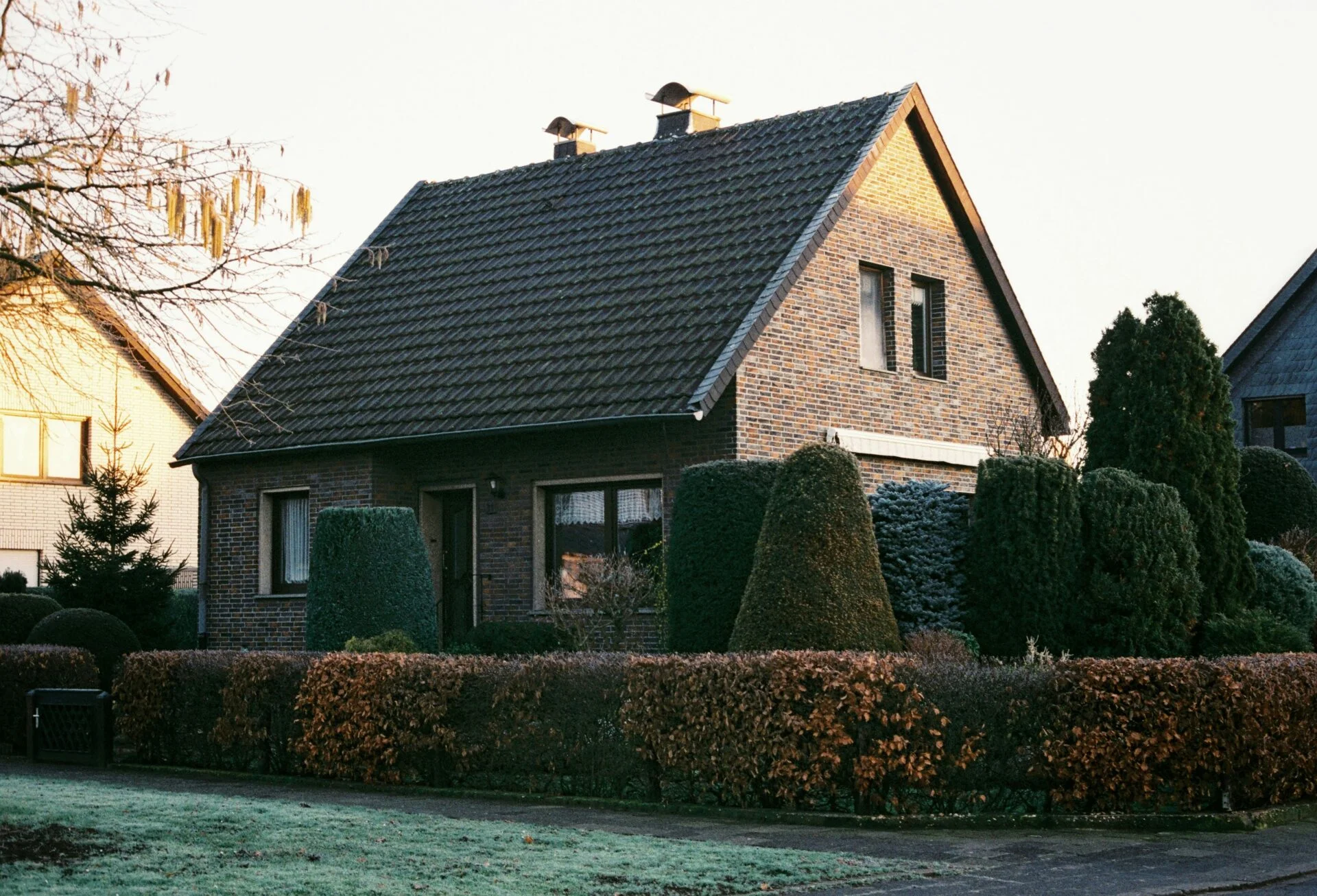
The new legislation changes the rules of the game, but not necessarily in the way many people think.
In the short term:
-
Greater flexibility in choosing a heating system
-
Less regulatory pressure
In the long term:
-
Rising running costs for fossil fuel heating systems
-
Stricter requirements due to EU regulations
-
Growing importance of energy-efficient properties
Strategies for the property market
Those who act wisely now can minimise risks and capitalise on opportunities.
1. Think long term
It is not just the purchase price that counts, but the total costs over 15–20 years.
2. Make use of grants
Schemes for energy-efficient refurbishment and heat pumps will remain in place for the time being.
3. Recognise energy efficiency as a value driver
Properties with modern heating technology will be significantly more attractive in future.
Conclusion: All-clear, but with reservations
Is the ‘heating hammer’ really off the table?
👉 Partly yes, but not entirely.
The direct regulations have been relaxed, but:
-
New indirect obligations are emerging
-
Cost risks remain
-
EU regulations are imposing further restrictions
As is so often the case, the reality lies somewhere between political reassurances and media sensationalism.
For property owners, this means one thing above all:
Do not react to headlines, but plan sensibly and for the long term.