After years of crisis, the German construction industry is suddenly showing positive signs again. New figures show that demand is picking up, projects are being revived and investors are slowly returning. But is this really the start of a sustainable recovery, or merely a short-term effect?
In this article, we analyse the latest developments in the main construction sector in Germany, put the figures into context and explain what they mean in concrete terms for investors, project developers and property owners.
The latest figures: Surprising momentum in the 2026 construction year
According to the Federal Statistical Office, new orders in the main construction sector have risen significantly:
-
+8.5% in November 2025 compared with the previous month
-
+4.1% year-on-year
-
Residential construction even rose by +12% compared with the previous year
-
Total turnover at around 12.3 billion euros per month
Employment is also growing slightly again, an important sign of stabilisation in the sector.
After around five years of decline, insolvencies and project halts, this is a development that has surprised even many experts.
Residential construction is recovering, but from a low base
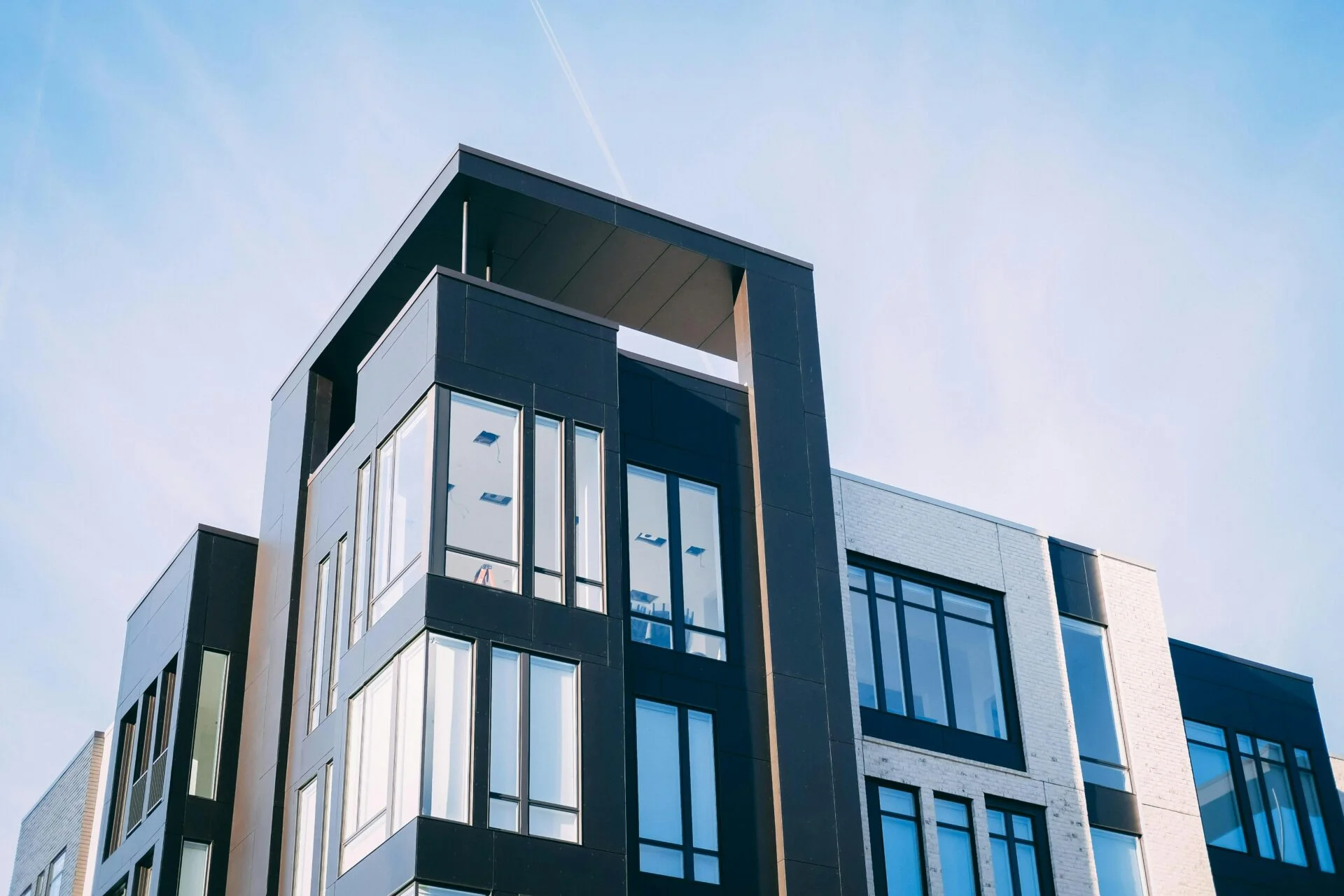
It is particularly interesting to look at residential construction, which has been under the greatest pressure in recent years.
At first glance, the double-digit growth rates look like a boom. However, a closer look puts the picture into perspective:
-
The level of orders remains well below that of 2022
-
Many projects had previously been halted or postponed
-
The recovery is taking place from a historic low
This means: yes, the market is growing again, but it is still a long way from a genuine return to normality.
Why the construction sector is growing again
The current trend is no coincidence. Three key factors are driving the recovery:
1. Policy initiatives and support schemes
The German government has recently introduced several measures to boost housing construction:
-
Tax incentives such as accelerated depreciation (AfA)
-
Support schemes for energy-efficient construction
-
Simplified planning permission procedures (“Bauturbo”)
These measures significantly improve the cost-effectiveness of many projects.
2. Stabilisation of interest rates
Following the sharp rises in interest rates in recent years, the situation has stabilised. Although financing is more expensive than before, it is once again predictable.
For investors and project developers, this is precisely what matters: planning certainty.
3. Massive backlog in the housing market
Germany continues to suffer from a significant housing shortage. This has actually worsened due to the construction freeze of recent years.
The consequence:
Sooner or later, construction will have to take place – and it seems that time has now come.
A look at Europe: Germany in the middle of the pack
A slight recovery is also evident when compared internationally. Forecasts suggest that construction output in Germany will return to growth by 2026.
However:
-
Growth is proving moderate
-
Other countries are developing more dynamically
-
Public investment plays a key role
The infrastructure and data centre sectors are currently experiencing particularly strong growth, driven by the AI boom.
The downsides: these risks remain

Despite positive figures, there are still challenges that should not be underestimated.
Weak road construction
Whilst building construction and housing construction are picking up, civil engineering – particularly road construction – is falling short of expectations.
A lack of tenders and delayed projects are holding back development.
Supply chains under pressure
The rising demand for infrastructure and data centres is leading to shortages of key components:
-
Transformers
-
Generators
-
Cooling systems
Project developers now have to plan for the much longer term than they did just a few years ago.
High material costs
Building materials such as concrete and cement remain expensive. The reasons for this are:
-
High energy costs
-
CO₂ regulations
-
New EU requirements
These factors continue to put pressure on the margins of many construction projects.
What does this mean in practical terms for investors and developers?
The current situation offers opportunities, but only for those who act strategically.
Re-evaluate projects now
Many projects that were put on hold in recent years could now be viable again.
Rising rents, support schemes and more stable financing are improving the financial outlook.
Make use of funding, but proceed with caution
Government schemes can make projects profitable. At the same time, bear in mind:
👉 Do not rely too heavily on uncertain funding
👉 Conservative costing remains crucial
Secure capacity early on
Those who build now often benefit from:
-
less competition
-
available construction capacity
-
better negotiating leverage
This could change rapidly in the coming years.
Conclusion: A trend reversal or a temporary upturn?
The latest figures clearly show:
The German construction sector is on the rise again.
However:
-
The recovery is fragile
-
The starting point was extremely low
-
Many structural problems remain
2026 could be the year in which the turnaround is achieved – provided the broader conditions remain stable.
For market participants, this means:
👉 Those who take action now stand to benefit disproportionately
👉 Those who wait and see could miss the best opportunity