Property investments are rarely a matter of chance – rather, they are the result of experience, networks and the ability to spot opportunities before others do. But how does an investment philosophy change over the decades?
How does one remain successful when markets, legislation and client expectations are constantly changing?
A look at an investor’s career shows that the fundamental principles remain the same – but the focus shifts.
You are currently viewing placeholder content from YouTube. To access the actual content, click the button below. Please note that this will result in data being shared with third parties.
Unlock content Accept the required service and unlock contentThe early days: recognising opportunities where others see problems
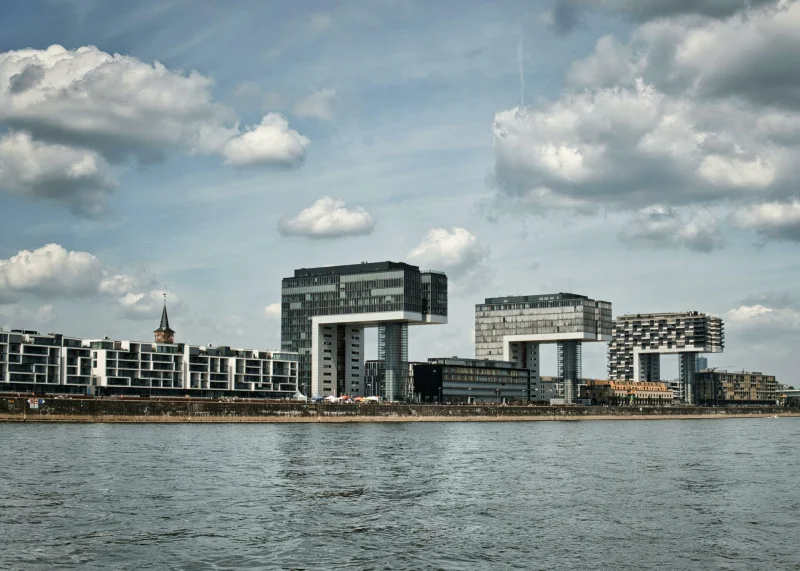
The investor bought his first commercial property in 1992 – in a situation that will sound familiar to many today: a seller in financial difficulties, a bank under pressure and a potential buyer with foresight.
Instead of negotiating the price, he sought a solution that would benefit all parties involved.
He understood that banks’ so-called restructuring departments are judged primarily on how quickly they resolve difficult cases. So he devised a plan: he offered the bank slightly more than the expected foreclosure price – but less than the market value.
In doing so, he helped:
-
the seller to avoid insolvency,
-
the bank to resolve the case quickly and cleanly,
-
and himself to acquire a property at around 30 to 40 per cent below market price.
This is how the fundamental principle of his philosophy came about: creating win-win situations rather than negotiating at the expense of others.
The core of the strategy: people, not just numbers
This principle continues to underpin all investments to this day. Not every transaction is based on the highest price or return – often it is human factors that tip the balance.
“I’m always on the lookout for people for whom the highest possible price isn’t the most important criterion,” says the investor.
This could be an heir who wants to sell the inherited property quickly, or an owner who no longer wishes to invest any energy in a renovation.
Sometimes speed is key; sometimes it’s simply the need to bring a chapter to a close. Such situations enable fair yet financially attractive deals – particularly if you’re prepared to listen and offer tailored solutions.
The network as a key resource
A crucial factor for success here is the network. Over the years, a wide-reaching network of relationships has developed, comprising entrepreneurs, estate agents, solicitors, financiers and private contacts, which regularly generates new opportunities.
Nowadays, many deals are not secured through public tenders, but through personal recommendations. When word gets round that someone acts discreetly, swiftly and reliably, doors open that remain closed to others.
Investors are often recommended when a complex property can be sold ‘under the table’ – sometimes even when properties are too small for them personally, but might be of interest to their network. This principle of trust is a central component of his current investment strategy.
A change of strategy: from flats to a portfolio

Over the years, the focus of his investments has shifted significantly.
Whilst smaller flats and apartments still offered attractive returns in the 2000s and early 2010s, this changed with legislative adjustments – such as the tighter regulations on holiday lettings.
On the island, where the investor has been active for around 15 years, it used to be common for a flat to cover its annual costs after just three months of holiday lettings.
However, since the introduction of compulsory holiday rental licences, only a few properties may now be legally let – and breaches can result in fines of up to 30,000 euros.
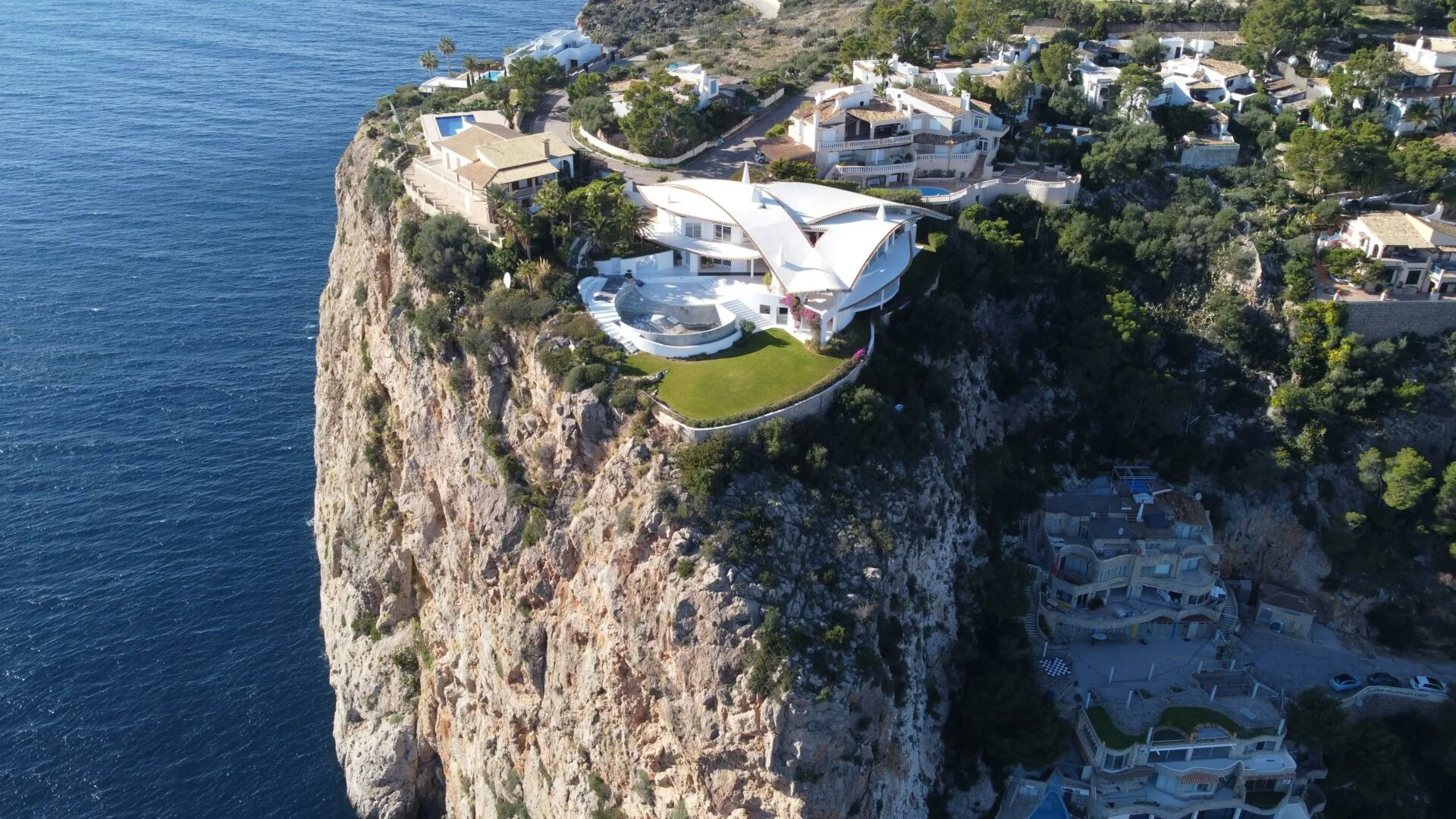
The result: the sale of smaller units and a strategic shift towards larger properties – villas, fincas and country houses with space for 10 to 20 people.
A new category of property: somewhere between a villa and a boutique hotel
Today, the entrepreneur prefers to invest in properties that bridge the gap between private luxury and professional letting – in other words, in houses that are smaller than hotels but larger than conventional holiday flats.
These ‘boutique fincas’ offer several advantages:
-
Higher daily rates: Families or groups often pay between 15,000 and 20,000 euros per week for an exclusive property.
-
Reduced running costs: No permanent hotel staff are required – just cleaners, gardeners and tradespeople.
-
Dedicated service teams: A small in-house team ensures flexibility, prompt repairs and a high standard of service.
Reliability is crucial, particularly for returning regular customers – such as Arab or Central European guests who book the same location every year.
If an air-conditioning unit breaks down in the summer, the speed of response determines whether the customer will return next year.
This once again illustrates the principle that long-term relationships trump short-term profits.
Lessons from three decades
After more than 30 years in the property business, a clear trend can be seen:
-
From a focus on price to a focus on relationships: it is not the lowest purchase price that counts, but the long-term benefit for all parties involved.
-
From volume to value: It is better to have a few high-quality properties with a clear strategy than many small units that involve a lot of administrative work.
-
From a transactional mindset to a systemic strategy: establishing our own structures – cleaning, maintenance, management – creates independence and control.
The philosophy, however, remains the same: identifying win-win situations, nurturing networks and realistically assessing opportunities.
Conclusion: An investment strategy that grows with you
Successful property investment is not a rigid model, but a dynamic strategy that adapts to markets, people and the wider environment.
From the first commercial property in the 1990s, through to apartments on the island, right up to today’s luxury fincas, one thing has never changed:
the understanding that every good deal is based on trust, fairness and clear added value for all parties.
Or, as the investor puts it:
“You can buy property 30 or 40 per cent below market price if you’re clever – but you have to create win-win situations.”